Professional, Reliable & Built to Estate Guidelines — Directly With Ari
Get your free quote
for Modern Developments
When you’re building or moving into a new home, the last thing you need is a complicated fencing process. With Easy Love Fencing, you deal directly with me, Ari — the owner and installer — from the first measure to the final screw. No sales team, no confusion, just clear communication and a fence built right the first time.
Building in a new estate comes with plenty of rules, guidelines and timelines — and I understand how important it is to get your fencing done properly. I work with Melbourne’s leading builders and new-home owners to install strong, compliant and great-looking fences that fit perfectly into new developments.
My job is to keep things simple: I show up personally, check the site, explain your fencing options and make sure the install meets both developer guidelines and Victorian fencing requirements.
Why Melbourne homeowners and builders choose me:
- Owner-operated fencing contractor in Melbourne
- Built to developer and new estate guidelines
- Suitable for single lots, corner blocks and multi-lot projects
- Fast turnaround and clear communication
I manage everything from planning to completion, ensuring every fence is uniform, secure, and visually appealing.
Why Choose ME
Feature Fencing Styles I Install
From timber to steel, Colorbond to glass, I offer a variety of fencing options to suit your style, budget, and needs.
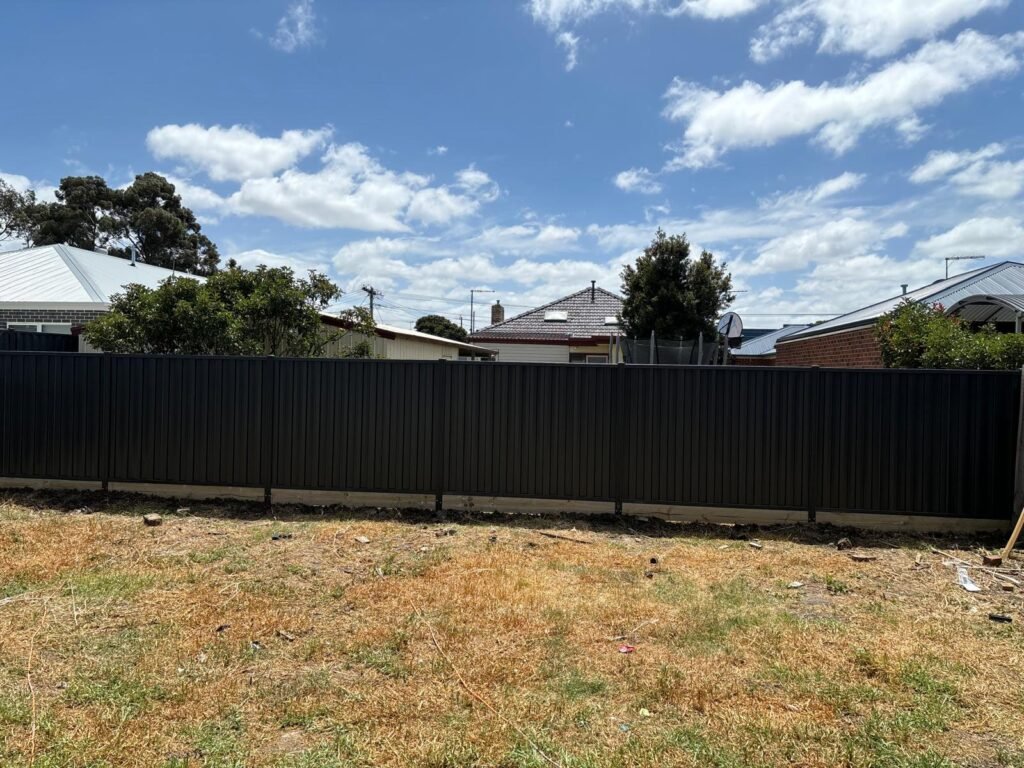
Steel fencing made from Colorbond panels for strong, low-maintenance boundaries. Used for privacy, security, and a clean modern look around homes. Weather-resistant and available in multiple colours to suit any property.
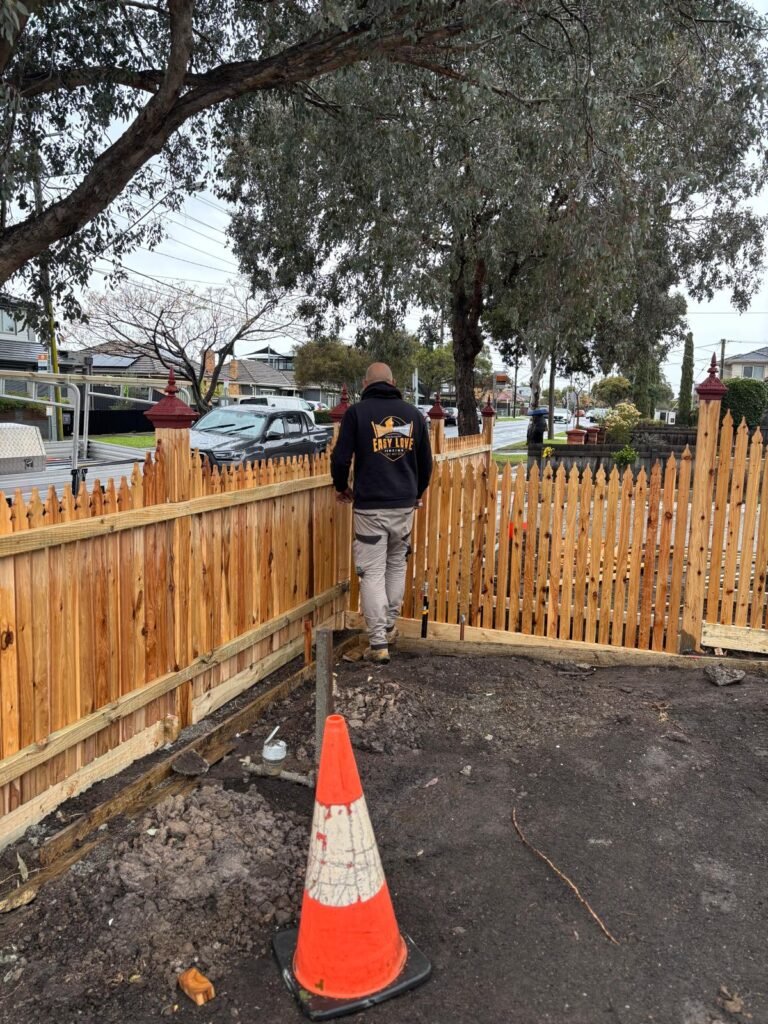
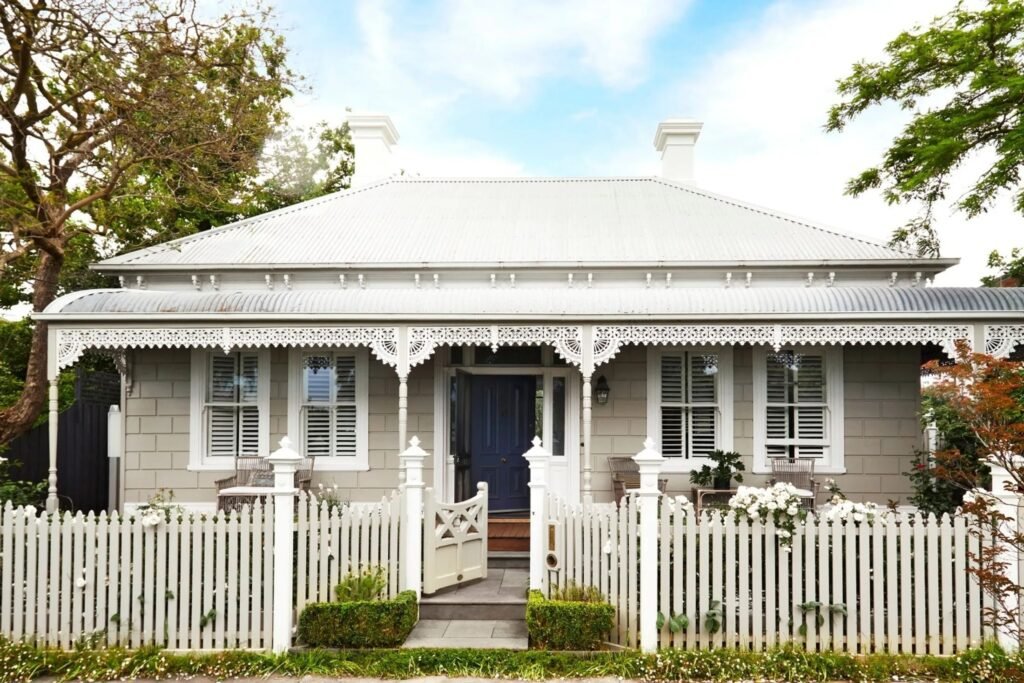
Traditional timber picket fences used for front yards and garden boundaries. Creates a classic, welcoming look while keeping children and pets safe. Ideal for decorative purposes and defining property edges.
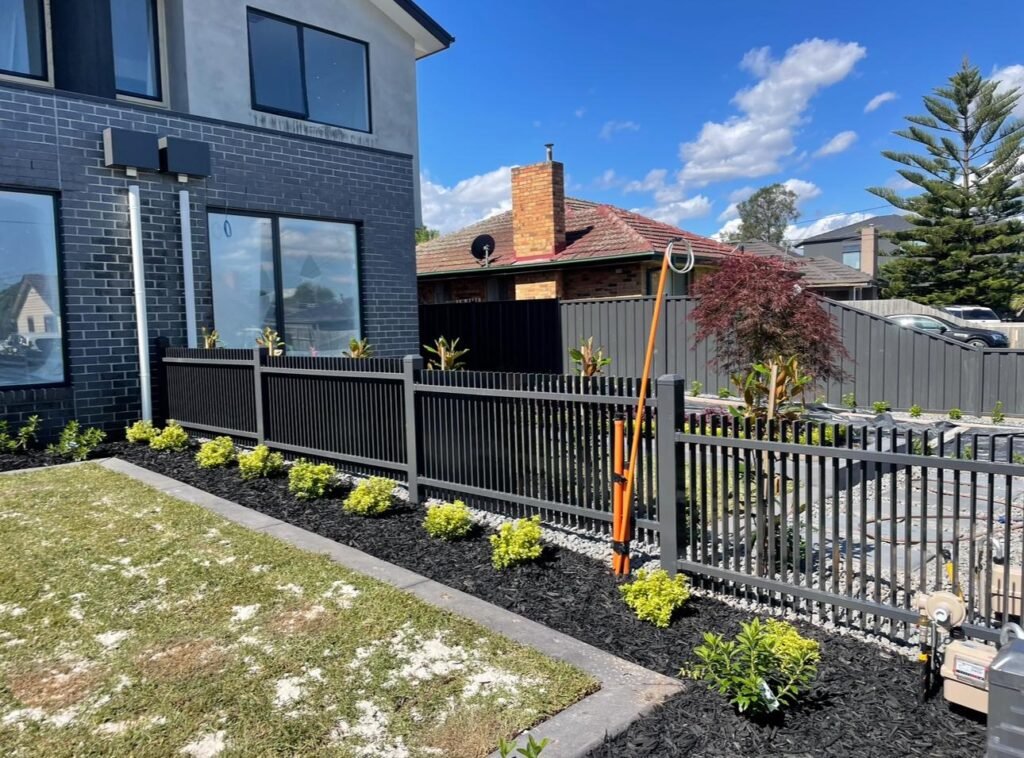
Strong steel fencing installed at the front of properties for security and style. Used to protect entrances, driveways, and street-facing areas. Provides a durable, modern barrier with minimal maintenance.
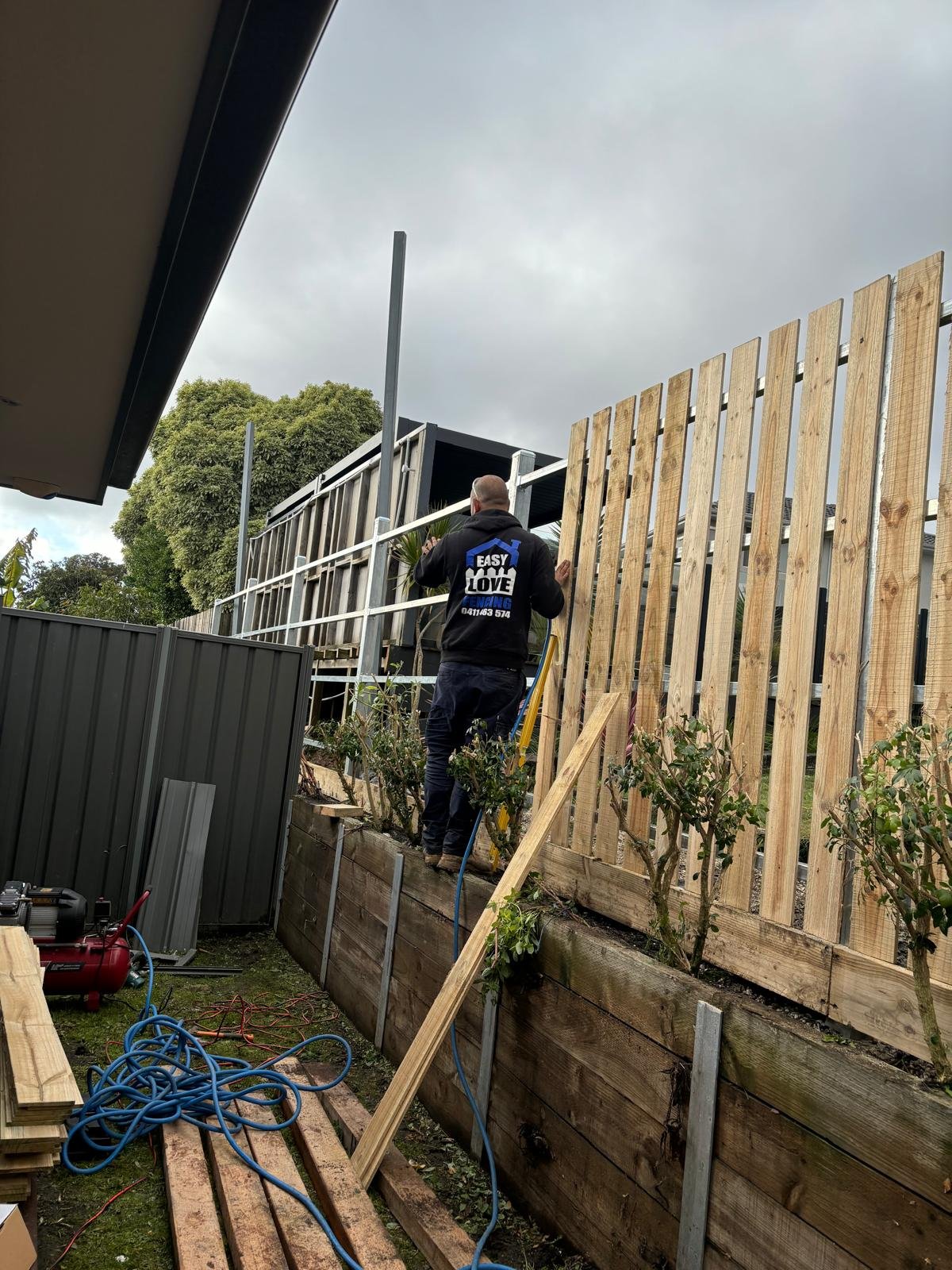
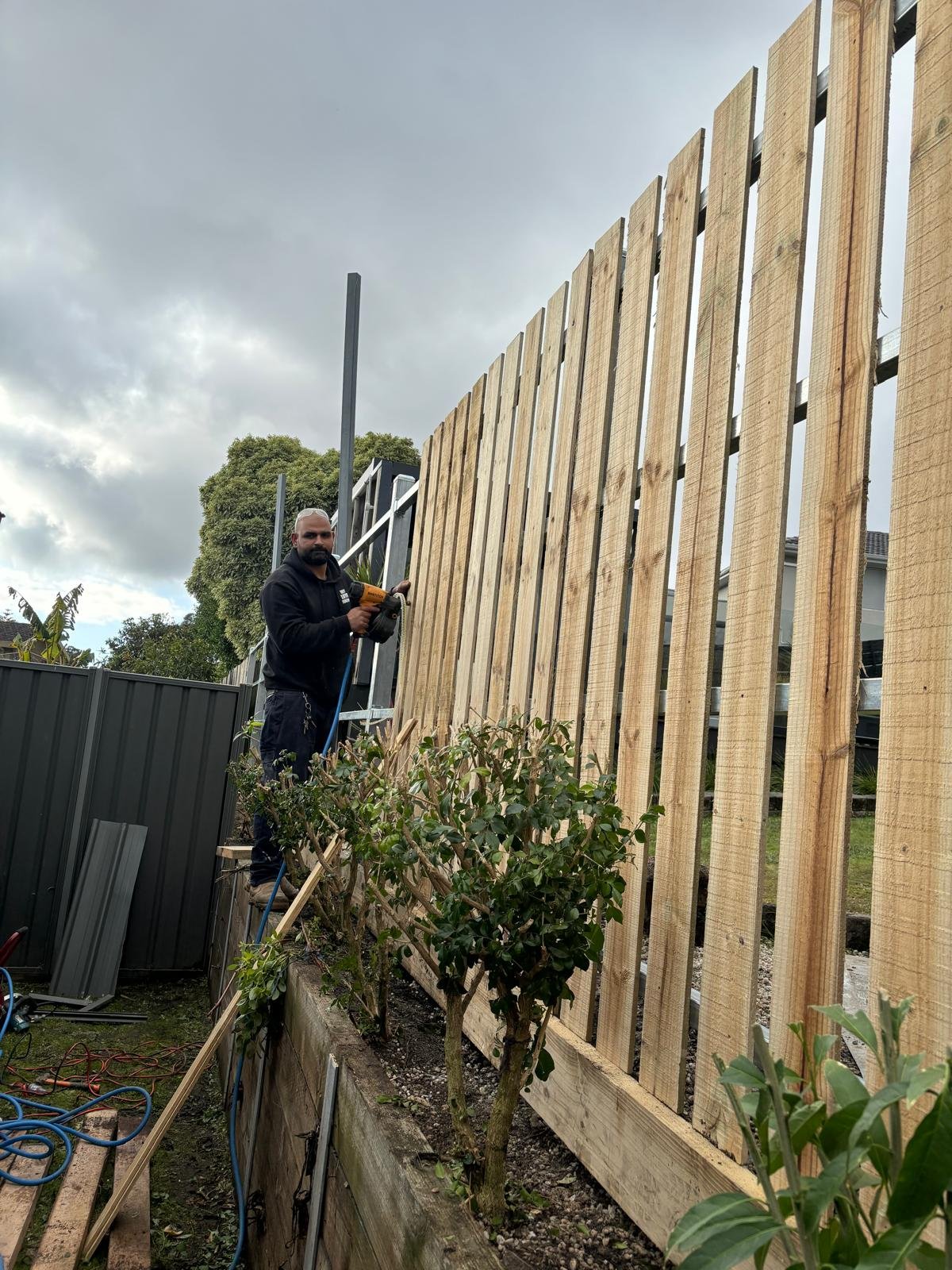
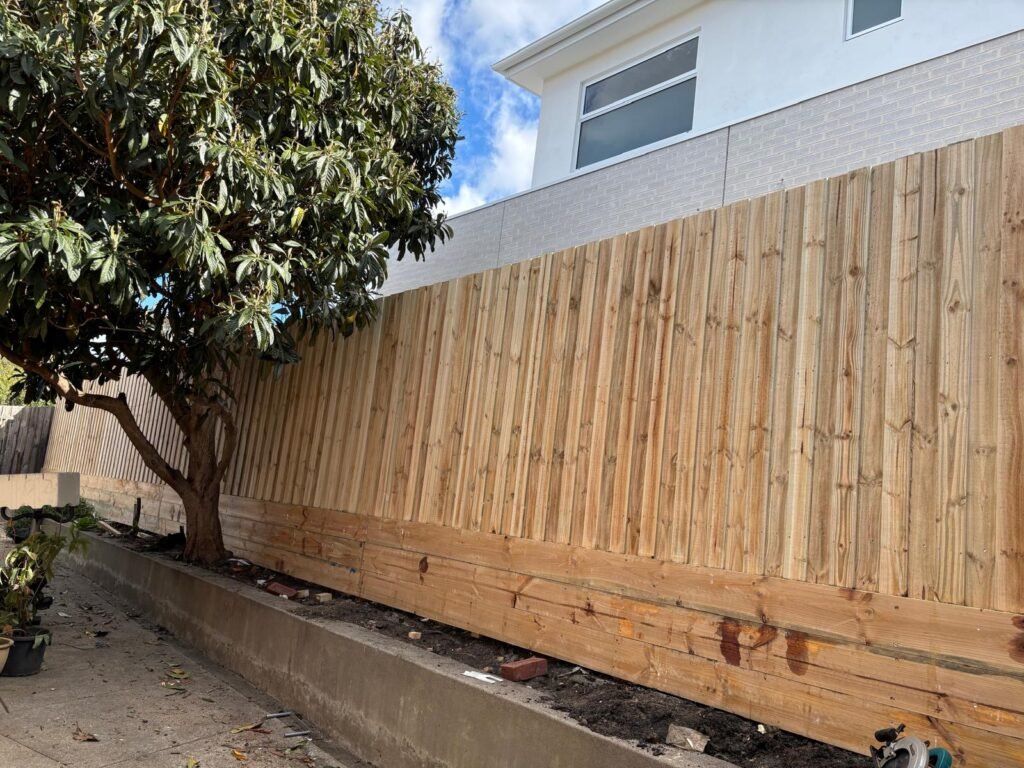
Timber panels used for natural-looking boundaries around homes and yards. Provides privacy, shade, and a warm, classic aesthetic. Suitable for side fences, backyards, and general property division.
Compliant Fencing for Melbourne’s New Housing Developments
Every new estate has its own fencing rules — height, design, colours and materials. I’m familiar with estate guidelines across Melbourne and always ensure your fence is approved, compliant and built to last.
I regularly install fences for:
New residential estates
Builder development sites
Dual-occupancy and subdivision builds
Corner block and sloping block projects
Whether it’s for one property or an entire streetscape, I make sure every fence is consistent, aligned, and installed with care.
What Does Fencing a New Estate Block Cost?
Your builder's allowance rarely covers the whole boundary. Here's how the numbers actually work on a new lot.
How much does it cost to fence a new estate block in Melbourne?
Fencing a new estate block usually means three boundaries, not four — most Melbourne estates don't permit front fencing, so you're looking at two side boundaries plus the rear.
On a block with 28-metre sides and a 12.5-metre rear, that's about 68.5 lineal metres of fencing. At my rates that works out to roughly $5,800 in treated pine or $7,500 in Colorbond, before any gate, old-fence removal or retaining work.
Where a neighbour shares that boundary, the Fences Act 1968 means you both contribute equally to a sufficient dividing fence — which can roughly halve your share. Put your own measurements into the estimator below.
Instant Project Estimator
Get a rough idea of your fencing investment in seconds. Choose your material and drag the slider for boundary length.
ESTIMATED COST
*This is an initial estimate. Slope, soil condition, removal of old fences, and retaining walls will affect the final formal quote.
BOOK SITE MEASUREIncluded in the rate
- Site measure and set-out by Ari, not a salesperson
- Digging and concreting all post footings
- Materials, fixings and labour at standard height
- Estate guideline check before anything is ordered
- Offcuts and rubbish removed, site left ready for landscaping
Quoted separately
- Gates, latches and automation
- Return or wing fencing where guidelines require it
- Retaining walls, sleepers or plinths on a sloping lot
- Rock excavation or footings deeper than standard
- Removing an existing or builder's temporary fence
2026 Average Fencing Costs in Melbourne
Below is the current market rate for standard 1.8m high boundary fencing in Melbourne's northern growth corridor. These benchmark figures cover standard supply and full installation on flat, clear ground.
| Fencing Material | Standard Height | Base Price (Per Metre) | Typical Estate Application |
|---|---|---|---|
| Treated Pine Timber | 1.8m - 1.95m | $85 / m | Standard side and rear boundaries; budget-friendly neighbor shared fencing. |
| Colorbond® Steel | 1.8m | $110 / m | Primary specification for most new estates (Aurora, Merrifield, Katalia). Low maintenance. |
| Tubular Aluminium | 1.2m - 1.5m | $160 / m | Front boundary fencing and corner lot secondary frontages requiring transparency. |
| Custom Wrought Iron | 1.2m - 1.8m | $250 / m | Premium architectural frontages or automated driveway sliding gates. |
What the base price doesn't include (and why quotes change)
Base rates assume clear ground with standard soil conditions. In reality, site-specific variables across Wollert, Donnybrook, and Mickleham can adjust the final formal quote. Expect variations for the following four factors:
1. Basalt Rock Excavation
The northern corridor sits on heavy basalt rock plains. When augers hit floaters or bedrock, specialized pneumatic equipment is required to reach the mandatory 600mm post-hole depth.
2. Retaining Walls (Plinths)
Blocks with ground fall require treated pine or concrete sleeper plinths along the bottom of the fence to retain soil, prevent gaps, and stop rust or premature rot.
3. Temporary Fence Removal
If your home builder left temporary hire mesh bolted along the boundary lines, labor is required to dismantle, unclamp, and stack panels out of the installation path.
4. Restricted Site Access
Zero-lot-line builds or tight side access paths that block mechanical augers require post holes to be hand-dug with crowbars, adding extra labor hours to the build.
The Fences Act & Neighbour Negotiation Blueprint
Splitting the bill for a new boundary fence shouldn't ruin a relationship before you've even moved in. Here is exactly how Victoria's fencing laws work, and the step-by-step process to secure your neighbour's agreement.
Know the 50/50 Rule
Under the Fences Amendment Act 2014 (Victoria), owners of adjoining land are legally required to contribute in equal proportions to the cost of a "sufficient dividing fence". However, if you or your estate's guidelines demand a standard of fencing that is higher or more expensive than what is considered "sufficient," the owner requesting the upgrade is liable to pay the difference in cost.
Serve a Formal Fencing Notice
You cannot simply build a fence and hand your neighbour an invoice. Before any construction begins, you must give the adjoining owner a prescribed Fencing Notice outlining the proposed works and costs. Once this formal document is served, your neighbour has 30 days to officially respond.
Find Unbuilt Neighbours
In new estates, the block next door is often vacant dirt owned by an investor. You are legally required to make reasonable inquiries to locate them. The simplest way is to contact the local municipal council (e.g., Hume or Whittlesea); councils will provide the ratepayer's mailing address specifically for the purpose of issuing a fencing notice.
Ready-to-Use Neighbour Email Template
Copy and paste this template to politely introduce yourself and initiate the quote approval process. It sets a friendly tone while keeping a clear paper trail.
Material Comparison: What Performs Best in the North?
A fence that lasts 30 years in the sandy soils of Brighton will fail in 10 years on the basalt plains of Wollert. Before you lock in a material, here is how the top three fencing options handle the heavy reactive clay and open wind loads of Melbourne's northern growth corridor.
| Material | The Pros | The Cons | Estate Approval Rate |
|---|---|---|---|
| Colorbond® Steel (Monument / Woodland Grey) |
|
|
95% |
| Treated Pine Timber (Lapped, Capped, or Paling) |
|
|
60% |
| Tubular Aluminium (Powder Coated) |
|
|
85% (Front/Wing Only) |
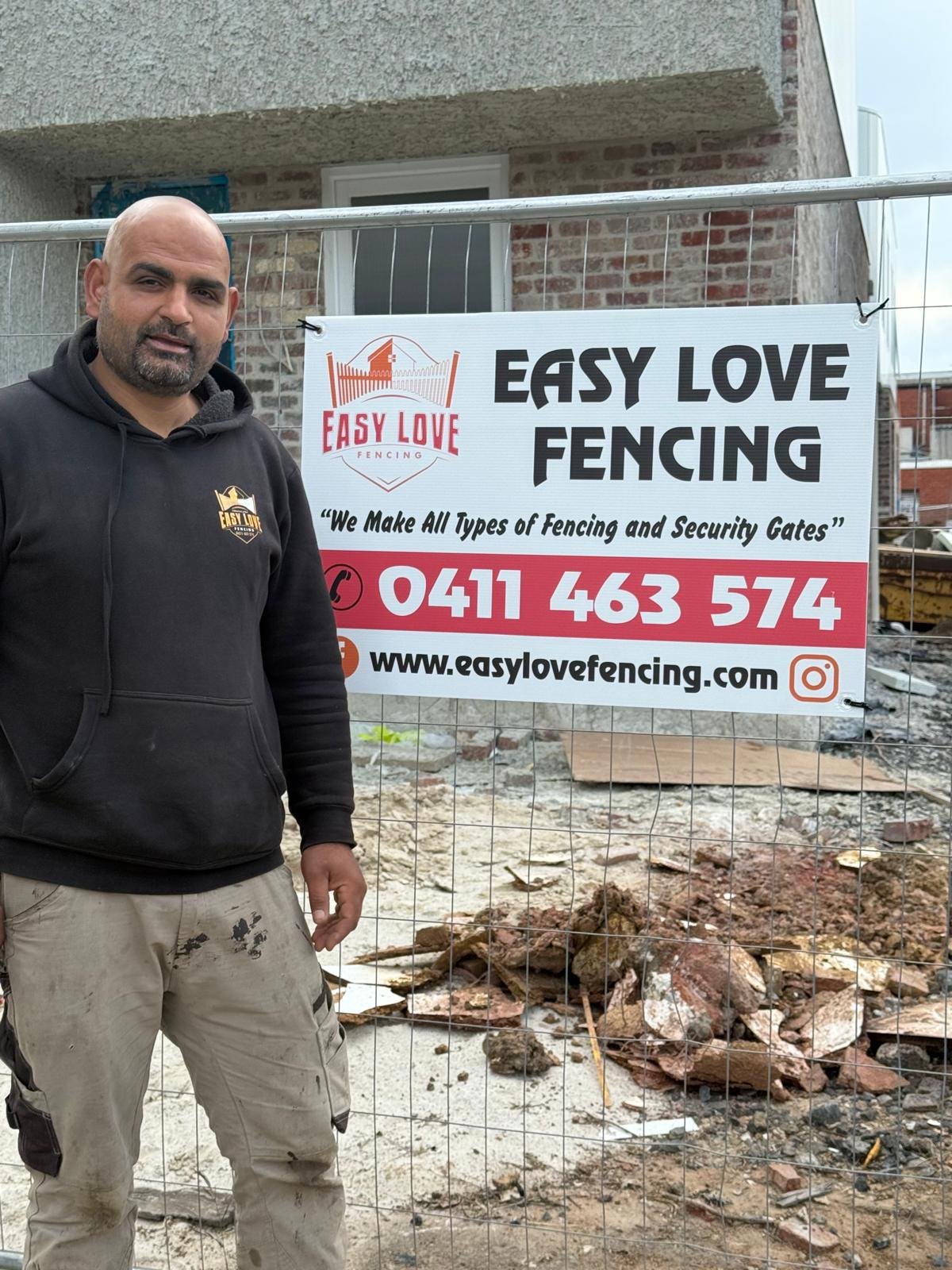
Ari's Local Insight: Building on Basalt and Clay
"The biggest mistake I see in Donnybrook and Wollert is under-engineering timber fences. Most of the western and northern growth corridors sit on highly reactive Class H1/H2 clay. In winter, this clay saturates and swells. In summer, it dries into deep cracks. If you use standard timber posts here, the ground movement will twist your fence out of alignment within three years. If your developer mandates timber for your lot, we always recommend upgrading to heavier posts and sinking them deeper than standard to combat the soil heave. If the developer allows Colorbond, take it—steel posts locked in concrete handle the shrink-swell cycle far better."
Recent Estate Approvals & Builds
We don't just quote fences; we navigate the red tape. Here are recent examples of how we've secured approvals and built compliant, heavy-duty boundary fences across the northern corridor.
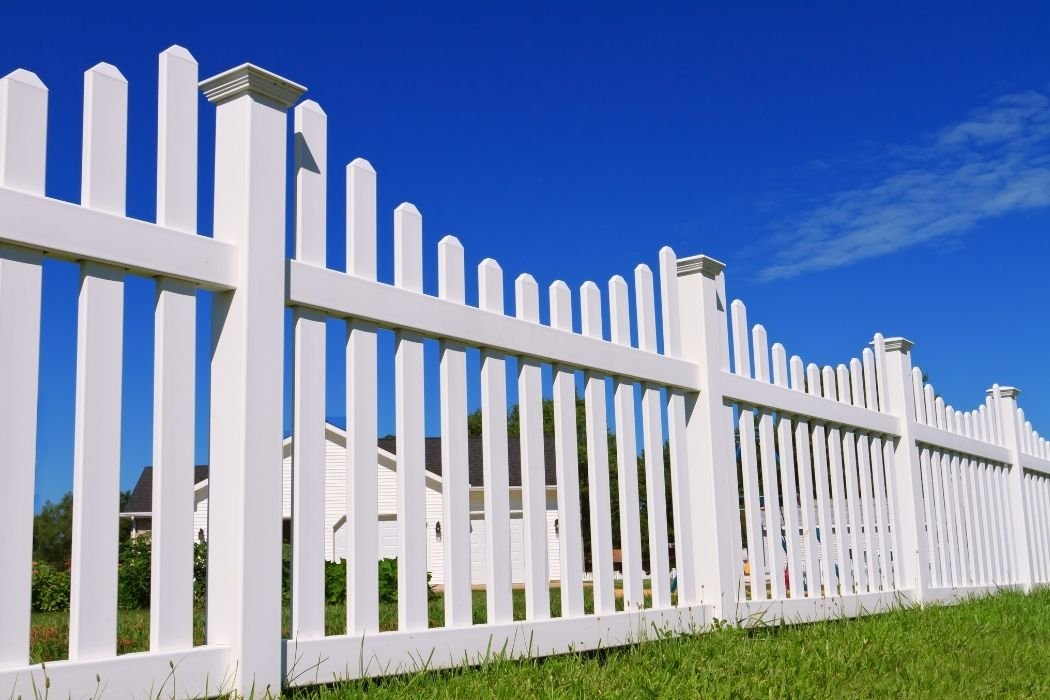
Side & Rear Boundary Compliance
The developer's design panel initially rejected the wing fence alignment on this zero-lot-line build. We mapped a revised setback plan, drafted the variation, and secured full panel approval within 48 hours to keep the client's landscaping schedule on track.
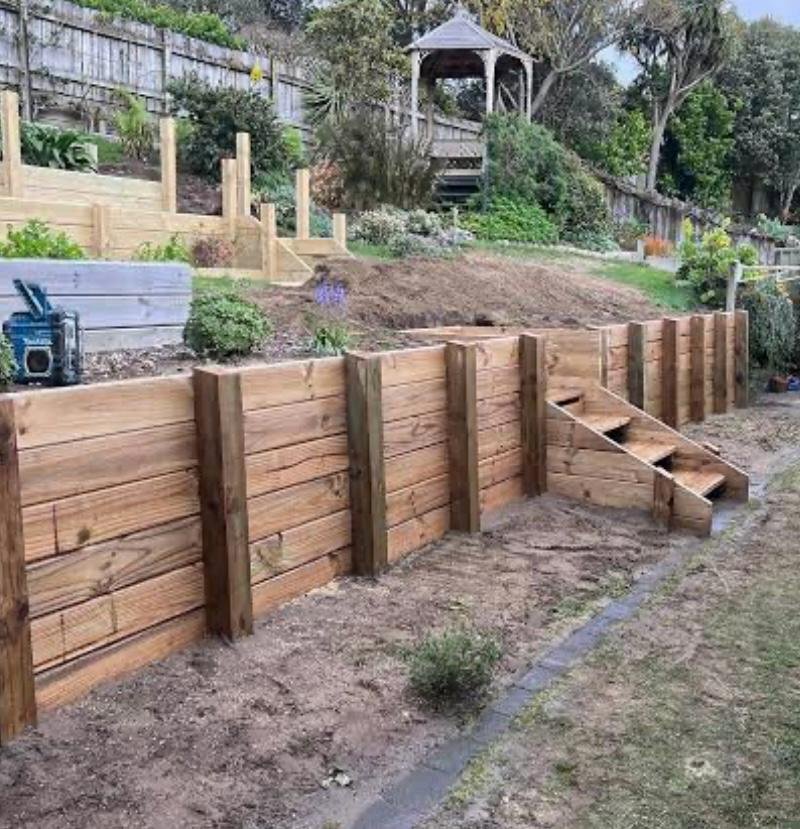
High-Wind Corner Lot Defense
This park-facing lot required a softer timber aesthetic, but standard pine posts warp quickly in Donnybrook's reactive clay. We upgraded the spec to 125x125mm heavy-duty posts sunk 800mm deep in concrete, guaranteeing stability against seasonal soil heave.
Balancing Privacy & Council Rules
The client wanted maximum privacy for their front yard, but Hume City Council mandates 50% visual transparency for front fencing. We fabricated a custom blade batten spacing that satisfied the council inspector while effectively blocking the direct line-of-sight from the footpath.
Fencing Rules by Estate:
What Melbourne's New Estates Actually Allow
Most people discover their estate has fencing rules after they've already chosen a fence. Design guidelines can ban front fencing outright, cap a wing fence at a metre, restrict you to two Colorbond colours, or require your whole street to match.
Get it wrong and you rebuild at your own cost. Below is what governs your fence, what to check before you order materials, and how to find your estate's current guidelines. If you'd rather skip the reading, send me your guidelines and I'll tell you what's approved.
Three sets of rules apply to your fence — not one
This is the part that catches almost everyone. Your council approving a fence height doesn't mean your estate allows it, and neither of them decides how you split the bill with your neighbour. All three apply at once, and the strictest one wins.
Your estate's design guidelines
Issued by the developer and usually enforced through a Design Approval Panel. They're commonly tied to your contract of sale, and sometimes to a section 173 agreement registered on your title — which means they bind you legally, not just morally.
These are almost always the most restrictive of the three, and they're the ones nobody reads until the fence is up.
Strictest — check this firstBuilding regulations & your council
Victorian fencing law doesn't set a maximum height or specify what a fence must be made from. Those rules come from the Building Regulations and your local council, and they differ between Hume, Whittlesea and Mitchell.
Corner lots, anything near an intersection, and lots fronting a reserve or main road are treated differently again.
Varies by councilThe Fences Act 1968
Governs money, not design. You and your neighbour contribute equally to a "sufficient dividing fence" — and if one of you wants something taller or dearer, that person pays the difference unless you agree otherwise.
It doesn't care what your estate guidelines say, and it still applies when the block next door is bare dirt.
Decides who paysThe six things estate guidelines control
Guidelines differ estate to estate, but they nearly all regulate the same six things. Find these six in your document and you know what you can build.
Front fencing
Many estates prohibit front fencing entirely to keep an open streetscape. Where it's allowed, expect a height cap and a limited palette. Assume it's banned until your guidelines say otherwise.
The Patch in Wollert, for example, doesn't permit front lot fencing or wing fencing at all — front fencing is only considered for integrated housing sites.Wing & return fencing
The short run where your side fence meets the house. Typically capped in height and required to sit a set distance behind the front facade, so it can't be seen from the street. Frequently missed in quotes.
Side & rear boundaries
Your standard estate fence. Usually specified by material and height, and sometimes required to be uniform along the whole street so the estate reads as one streetscape.
Materials & colours
Colorbond is commonly restricted to a short approved colour list, and timber to specific profiles. Picking a colour you like rather than one on the list is the most common reason a fence gets knocked back.
Corner & frontage lots
If your lot faces a park, reserve, laneway, walkway or main road, extra rules almost always apply — often a lower height, a different material, or a landscaping setback on the exposed side.
Who builds it, and when
Some estates make fencing the purchaser's responsibility, some builders include an allowance in the contract, and many estates require the fence complete within a set period after handover. Check which applies before you assume it's covered.
At The Patch, fencing is completed by the purchaser unless the contract specifies otherwise.How to find your estate's design guidelines
You already have these, or you can get them in about five minutes. Four places to look, in the order worth trying.
Your contract of sale
The vendor statement (section 32) usually attaches the design guidelines that applied when you bought. Start here — it's the version you actually signed up to.
The developer's design portal
Most estates run an online portal where you submit plans for approval and download the current guidelines as a PDF. It's usually public and takes one search to find.
Your title
Look for a section 173 agreement or a Memorandum of Common Provisions. If the guidelines are referenced there, they're legally binding on you and on whoever buys the house next.
The Design Approval Panel
The DAP approves your plans, so ask them for the current version directly. Guidelines get revised between stages — a copy borrowed from a neighbour who built two years earlier isn't good enough.
How it works
Clear Communication From Start to Finish
When you build in a new estate, timing matters. I make sure the fencing process is fast, simple and stress-free.
Step 1
On-Site Quote & Guideline Check
I come out personally, measure the lot and review the estate requirements.
Step 3
Installation to Estate Standards
I install the fence myself to ensure accuracy and consistency.
Step 4
Clean & Tidy Finish
All offcuts and rubbish removed, leaving your site neat and ready for landscaping or handover.
Why Choose Easy Love Fencing for New Estate Fencing?
Whether you’re a builder, developer, or new homeowner, I make sure your new estate fencing in Melbourne is completed smoothly, on time, and exactly to your estate’s requirements.
- You deal directly with Ari, the owner
- Fully compliant with Melbourne estate and council requirements
- Fast turnaround for builders and homeowners
- High-quality materials built for Melbourne weather
- Honest communication — no upselling, no pressure
“With Easy Love Fencing, you deal directly with me – from the first visit to the final screw. I listen, measure and build your fence as if it were for my own home.”
Get Your New Estate Fence Installed the Right Way
FAQ
Frequently Ask Questions
Every estate has its own guidelines. We review your estate’s fencing requirements and recommend the approved materials and designs.
Most installations take 1–3 days depending on property size, land slope, and material chosen.
If you share a boundary with neighbours, it's recommended. We can guide you through shared fencing rules if needed.
Yes, fencing can be installed before or after construction as long as boundary access is clear.
Yes — we offer competitive pricing for developers, builders, and multi-lot projects.
Colorbond and Steel provide the longest lifespan with minimal maintenance, while timber offers a natural look at an affordable price.
Absolutely — we leave your site clean, safe, and ready for use.
Just contact us via phone or email, or use the online form on our website — we’ll arrange a free site visit and provide a detailed estimate.